Cart (0)

Your cart is empty
Add some items to get started
Your cart is empty
Add some items to get started
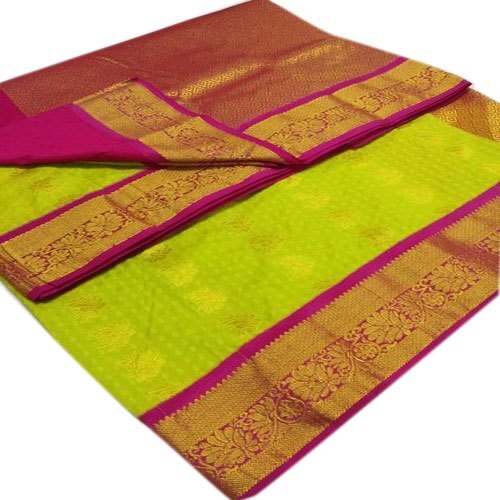
In an era where conscious consumption defines brand loyalty, Bastra Griha’s sustainability roadmap showcases how elegance can coexist with ecological responsibility.
All fibers are sourced from certified organic farms in the Terai and high‑altitude yak herders who practice regenerative grazing. These practices improve soil health, reduce carbon emissions, and ensure that the raw material is free from harmful chemicals.
The dye house employs a closed‑loop water system. Natural pigments—indigo, madder root, turmeric—are extracted using low‑temperature processes that preserve colour vibrancy while consuming 30% less water than conventional methods.
Solar panels power 45% of the workshop’s electricity needs. Hand‑loom stations reduce reliance on fossil‑fuel‑driven machinery, and any remaining energy is sourced from certified renewable grids.
These initiatives embody a circular economy mindset, extending the lifespan of each garment.
Each Bastra Griha product includes a QR code linking to a digital ledger. Consumers can trace the journey from farm to finished garment, verifying ethical labour standards and environmental impact.
Beyond eco‑benefits, the brand invests in local women’s cooperatives, providing fair wages and skill‑building workshops. This empowerment model ensures that sustainability is social as well as environmental.
Choosing Bastra Griha means embracing longevity. Care instructions emphasize low‑temperature washing, air drying, and occasional hand‑spot cleaning—methods that preserve fibre integrity while reducing energy use.
Research into biodegradable textile finishes and bio‑fabricated accessories is underway, aiming to further reduce micro‑plastic pollution and enhance compostability at end‑of‑life.
Through these layered strategies, Bastra Griha proves that luxury fashion can be a force for planetary healing without compromising on style or cultural richness.